PhoneNumberValidationInternational:CompleteGuideforGlobalBusinesses
How to validate phone numbers from 200+ countries: numbering plans, carrier and line type checks, local compliance rules, and how to measure accuracy on your own data.

Robby Frank
Founder & CEO
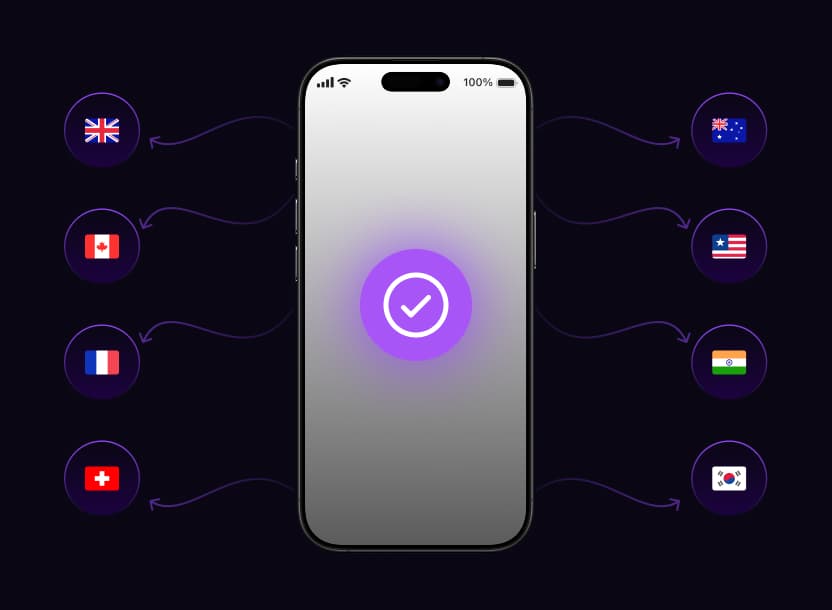
Domestic phone validation is mostly a formatting problem. International phone validation is not. Numbering plans differ per country, mobile and landline ranges are allocated differently, numbers get ported between carriers constantly, and several countries restrict what you are allowed to do with the result at all. A validator built for one country will happily accept numbers it cannot reach and reject numbers that are perfectly valid somewhere else.
Before you change anything, find out how big your problem actually is. Take the phone numbers you have collected from outside your home market, run them through a validator that reports country, line type and carrier, and split the failures by country. That table is the whole business case, and it will not look like anyone else's.
This guide covers the numbering-plan rules that break naive validators, how to check line type and carrier, the compliance constraints per region, and how to measure a vendor's accuracy on your own data rather than on their benchmark.
The Hidden Cost of Poor International Phone Validation
Why International Phone Numbers Break Your Business
The Delivery Disaster:
- Failed SMS campaigns, where numbers stored without a country code get read against the wrong numbering plan
- Lost customer communications, where the number is valid but the line is a landline or a VoIP endpoint that cannot receive SMS
- Chargeback exposure, where an unreachable number means no way to verify a disputed order
- Compliance violations, since consent and do-not-call rules differ per country and a wrong format can route a message into the wrong jurisdiction entirely
Get your own numbers before you size any of this. Split your international contact records by country, then count, per country: numbers that fail format validation, numbers that validate but resolve to a non-mobile line type, and numbers where the carrier lookup returns nothing. Those three counts, against your own SMS send costs and chargeback rate, are the real figures. Any global statistic quoted in a guide, this one included, is measured on traffic that is not yours.
Current Market Reality: Most Solutions Fail Internationally
Traditional phone validation services work great for domestic numbers, but international validation requires:
- 200+ country formats: Each with unique numbering plans and regulations
- Real-time carrier updates: International carriers change frequently
- Local compliance rules: DNC laws, privacy regulations, and telecom laws vary by country
- Multi-language support: Error messages and validation rules in local languages
What Is International Phone Number Validation?
Comprehensive Definition and Scope
International phone number validation is the process of verifying phone numbers from countries worldwide, ensuring they are:
- Format-compliant: Follow each country's numbering standards
- Active and reachable: Connected to working telecommunications infrastructure
- Carrier-identified: Associated with legitimate network operators
- Fraud-screened: Free from suspicious patterns and known fraud indicators
- Compliance-ready: Meet local regulations and privacy requirements
How International Phone Validation Works: Step-by-Step Process
1. Number Standardization (Format Normalization)
Input: "+44 7700 900000" (UK number)
Process: Parse country code, area code, local number
Output: "+447700900000" (E.164 international format)
2. Country-Specific Validation Rules
- UK: 10-11 digits, specific area code ranges
- Germany: 10-13 digits, mobile prefixes (15x, 16x, 17x)
- India: 10 digits, mobile operators (6x, 7x, 8x, 9x)
- Brazil: 10-11 digits, regional area codes
3. Real-Time Carrier Intelligence
- Query international carrier databases
- Verify network operator legitimacy
- Check for porting history and SIM swaps
- Validate against known fraud patterns
4. Fraud Scoring and Risk Assessment
- Geographic anomaly detection
- Carrier risk analysis
- Historical fraud pattern matching
- Behavioral risk indicators
5. Compliance and Regulatory Checks
- DNC registry verification (country-specific)
- Local privacy law compliance
- TCPA and GDPR alignment
- Industry-specific regulations
Key Components of Enterprise International Validation
Multi-Country Number Intelligence
- 200+ countries supported with country-specific validation rules
- Real-time format validation for each country's numbering plan
- Carrier database updates every 24 hours from primary sources
- Language support for validation messages and error handling
Advanced Fraud Detection
- SIM swap detection across international networks
- Geographic anomaly analysis (impossible locations, suspicious patterns)
- Carrier risk scoring (MVNOs, prepaid services, suspicious networks)
- Historical fraud data from global threat intelligence
Compliance Automation
- International DNC compliance across multiple jurisdictions
- Privacy regulation adherence (GDPR, CCPA, local laws)
- Telecom compliance (carrier-specific regulations)
- Industry standards (financial, healthcare, retail compliance)
International Phone Validation Business Applications
E-commerce & Global Retail
Challenge: Processing international orders with accurate delivery information
Solution: Validate shipping phone numbers before fulfillment
How to measure it: count shipments returned or delayed for a bad contact number over the last quarter, then re-run those numbers through validation and see how many would have been caught at checkout.
Implementation Strategy:
- Pre-checkout validation: Real-time number verification during cart
- SMS delivery confirmation: Ensure carriers can receive delivery updates
- Customer service routing: Direct international customers to appropriate support
- Fraud prevention: Flag suspicious international order patterns
Financial Services & Fintech
Challenge: KYC compliance and fraud prevention across borders
Solution: Comprehensive international number intelligence
How to measure it: score 90 days of past applications in shadow mode, then compare the scores against the fraud and KYC failures that actually occurred. Count the good applicants the score would have rejected as well.
Implementation Strategy:
- Account opening validation: Verify international customer contact info
- Transaction authentication: Ensure SMS delivery for 2FA globally
- Fraud monitoring: Real-time alerts for suspicious international activity
- Regulatory compliance: Meet international KYC and AML requirements
Healthcare & Telemedicine
Challenge: Patient communication and appointment management globally
Solution: HIPAA-compliant international phone validation
How to measure it: pull your no-show list and check what share of those patients had an unreachable number on file. That share is the ceiling on what validation can fix here.
Implementation Strategy:
- Patient registration: Validate international contact numbers
- Appointment reminders: Ensure SMS delivery across time zones
- Emergency contacts: Verify backup phone numbers for critical communications
- Multi-language support: Handle international patient preferences
Marketing & Customer Acquisition
Challenge: Lead quality and campaign deliverability across markets
Solution: International list cleaning and validation
How to measure it: hold back a random 10% of a cleaned list as an unvalidated control, run the same campaign against both, and compare connect rates.
Implementation Strategy:
- Lead qualification: Validate international prospect numbers before sales outreach
- Campaign optimization: Clean lists before international SMS campaigns
- Compliance management: Ensure opt-in compliance across jurisdictions
- Performance tracking: Monitor international deliverability rates
SaaS & Technology Platforms
Challenge: User onboarding and communication reliability
Solution: Global user verification and support routing
How to measure it: run validation in logging-only mode for 30 days, then compare the 30-day retention of accounts that would have been flagged against accounts that would have passed.
Implementation Strategy:
- Registration validation: Verify international users during signup
- Support routing: Direct users to appropriate regional support teams
- Feature access: Enable location-specific features based on validated numbers
- Billing verification: Confirm payment contact information internationally
Implementation Guide: From Setup to Production
API Integration: Code Examples
JavaScript/Node.js Implementation
const axios = require('axios');

class InternationalPhoneValidator {
  constructor(apiKey) {
    this.apiKey = apiKey;
    this.baseUrl = 'https://api.1lookup.io/v1';
  }

  async validateInternationalPhone(phoneNumber, country = 'auto') {
    try {
      const response = await axios.post(`${this.baseUrl}/validate/phone`, {
        phone: phoneNumber,
        country: country,
        include_fraud_score: true
      }, {
        headers: {
          'Authorization': `Bearer ${this.apiKey}`,
          'Content-Type': 'application/json'
        }
      });

      return this.processValidationResponse(response.data);
    } catch (error) {
      console.error('International validation error:', error);
      return { error: 'Validation failed', details: error.message };
    }
  }

  processValidationResponse(data) {
    return {
      isValid: data.good === 1,
      isReachable: data.reachable === 1,
      country: data.country,
      carrier: data.network,
      lineType: data.line_type,
      fraudScore: data.fraud_score,
      riskLevel: data.risk_level,
      internationalFormat: data.number,
      localFormat: this.formatLocalNumber(data),
      compliance: {
        dnc: data.dnc === 0,
        dno: data.dno === 0
      }
    };
  }

  formatLocalNumber(data) {
    // Convert international format to local format based on country
    const countryFormats = {
      'US': (num) => num.replace(/^\+1/, '').replace(/(\d{3})(\d{3})(\d{4})/, '($1) $2-$3'),
      'UK': (num) => num.replace(/^\+44/, '0'),
      'DE': (num) => num.replace(/^\+49/, '0'),
      'IN': (num) => num.replace(/^\+91/, ''),
      // Add more country formats as needed
    };

    const formatter = countryFormats[data.country];
    return formatter ? formatter(data.number) : data.number;
  }
}

// Usage example
const validator = new InternationalPhoneValidator('your_api_key');

async function validateOrderPhone(orderData) {
  const validation = await validator.validateInternationalPhone(
    orderData.customerPhone,
    orderData.shippingCountry
  );

  if (!validation.isValid) {
    throw new Error(`Invalid phone number: ${validation.error}`);
  }

  if (validation.fraudScore > 60) {
    // Flag for manual review
    await flagSuspiciousOrder(orderData, validation);
  }

  return {
    ...orderData,
    phoneValidated: true,
    phoneRisk: validation.riskLevel,
    internationalFormat: validation.internationalFormat
  };
}
Python Integration Example
import requests
import json
from typing import Dict, Optional, Tuple

class InternationalPhoneValidator:
    def __init__(self, api_key: str):
        self.api_key = api_key
        self.base_url = "https://api.1lookup.io/v1"
        self.headers = {
            "Authorization": f"Bearer {api_key}",
            "Content-Type": "application/json"
        }

    def validate_international_phone(
        self,
        phone_number: str,
        country: str = "auto"
    ) -> Dict:
        """
        Validate international phone number with comprehensive intelligence

        Args:
            phone_number: Phone number in any format
            country: ISO country code or 'auto' for detection

        Returns:
            Dict containing validation results and intelligence
        """
        payload = {
            "phone": phone_number,
            "country": country,
            "include_fraud_score": True
        }

        try:
            response = requests.post(
                f"{self.base_url}/validate/phone",
                json=payload,
                headers=self.headers,
                timeout=5
            )

            if response.status_code == 200:
                return self._process_validation_response(response.json())
            else:
                return {
                    "error": f"API Error: {response.status_code}",
                    "details": response.text
                }

        except requests.exceptions.RequestException as e:
            return {"error": "Network error", "details": str(e)}

    def _process_validation_response(self, data: Dict) -> Dict:
        """Process and normalize API response"""
        return {
            "valid": data.get("good") == 1,
            "reachable": data.get("reachable") == 1,
            "country": data.get("country"),
            "country_code": data.get("country"),
            "carrier": data.get("network"),
            "carrier_ocn": data.get("ocn"),
            "line_type": data.get("line_type"),
            "international_format": data.get("number"),
            "area_code": data.get("ratecenter"),
            "state": data.get("state"),
            "lata": data.get("lata"),
            "fraud_score": data.get("fraud_score"),
            "risk_level": data.get("risk_level"),
            "dnc_compliant": data.get("dnc") == 0,
            "dno_compliant": data.get("dno") == 0,
            "sim_swap_risk": data.get("sim_swap_risk", False),
            "ported_recently": data.get("last_ported") is not None,
            "response_time_ms": data.get("delay", 0) * 1000,
            "credits_used": data.get("credits_used", 1)
        }

    def format_for_country(self, phone_number: str, country: str) -> str:
        """Format phone number for local display"""
        formats = {
            "US": lambda x: x.replace("+1", "").replace(" ", "").replace("-", ""),
            "UK": lambda x: x.replace("+44", "0"),
            "DE": lambda x: x.replace("+49", "0"),
            "FR": lambda x: x.replace("+33", "0"),
            "AU": lambda x: x.replace("+61", "0"),
            "CA": lambda x: x.replace("+1", ""),
        }

        formatter = formats.get(country.upper())
        return formatter(phone_number) if formatter else phone_number

# Usage example for international e-commerce
def process_international_order(order_data: Dict) -> Tuple[bool, Dict]:
    validator = InternationalPhoneValidator("your_api_key")

    validation = validator.validate_international_phone(
        order_data["customer_phone"],
        order_data.get("shipping_country", "auto")
    )

    if validation.get("error"):
        return False, {"error": validation["error"]}

    if not validation["valid"]:
        return False, {"error": "Invalid phone number"}

    # Check fraud score for international orders
    if validation["fraud_score"] > 50:
        # Flag for additional verification
        order_data["requires_review"] = True
        order_data["fraud_reason"] = "High international fraud score"

    # Format for local display and SMS
    order_data["phone_formatted"] = validator.format_for_country(
        validation["international_format"],
        validation["country"]
    )

    return True, order_data
Best Practices for International Implementation
1. Handle Country Detection Intelligently
Auto-Detection with Fallback:
async function detectCountry(phoneNumber) {
  // Primary: Extract from number format
  const countryFromNumber = extractCountryFromFormat(phoneNumber);

  // Secondary: Use IP geolocation if available
  const countryFromIP = await getUserCountryFromIP();

  // Tertiary: Default to business primary market
  const fallbackCountry = 'US';

  return countryFromNumber || countryFromIP || fallbackCountry;
}
Country-Specific Validation Rules:
- US/Canada: Area code validation, state mapping
- EU Countries: GDPR compliance, local DNC rules
- Asia-Pacific: Mobile number patterns, carrier diversity
- Latin America: Regional codes, mobile vs landline patterns
2. Implement Comprehensive Error Handling
const ERROR_TYPES = {
  INVALID_FORMAT: 'Invalid phone number format for country',
  COUNTRY_NOT_SUPPORTED: 'Country not currently supported',
  CARRIER_DISCONNECTED: 'Number disconnected or invalid',
  HIGH_FRAUD_RISK: 'Number shows high fraud indicators',
  COMPLIANCE_VIOLATION: 'Number violates local regulations'
};

function handleValidationError(errorType, phoneNumber, country) {
  switch(errorType) {
    case ERROR_TYPES.INVALID_FORMAT:
      return suggestFormatCorrection(phoneNumber, country);
    case ERROR_TYPES.HIGH_FRAUD_RISK:
      return triggerManualReview(phoneNumber);
    case ERROR_TYPES.COMPLIANCE_VIOLATION:
      return handleComplianceIssue(phoneNumber, country);
    default:
      return logAndRetry(phoneNumber);
  }
}
3. Optimize for Performance and Cost
Batch Processing for Bulk Operations:
async function validatePhoneBatch(phoneNumbers, options = {}) {
  const batchSize = 100; // API limit
  const results = [];

  for (let i = 0; i < phoneNumbers.length; i += batchSize) {
    const batch = phoneNumbers.slice(i, i + batchSize);
    const batchPromises = batch.map(phone =>
      validator.validateInternationalPhone(phone, options.country)
    );

    const batchResults = await Promise.all(batchPromises);
    results.push(...batchResults);

    // Rate limiting
    if (i + batchSize < phoneNumbers.length) {
      await sleep(1000); // Respect API rate limits
    }
  }

  return results;
}
Caching Strategy for Repeated Numbers:
const validationCache = new Map();

async function validateWithCache(phoneNumber, country) {
  const cacheKey = `${phoneNumber}_${country}`;

  if (validationCache.has(cacheKey)) {
    const cached = validationCache.get(cacheKey);
    if (Date.now() - cached.timestamp < 24 * 60 * 60 * 1000) { // 24 hours
      return cached.data;
    }
  }

  const result = await validator.validateInternationalPhone(phoneNumber, country);
  validationCache.set(cacheKey, {
    data: result,
    timestamp: Date.now()
  });

  return result;
}
4. Monitor and Optimize Performance
Key Metrics to Track:
- Response time by country (target: <300ms globally)
- Accuracy rate by region (target: >95%)
- Fraud detection rate (target: >70% of actual fraud)
- Cost per validation by volume tier
Performance Optimization Tips:
- Use regional API endpoints for faster response times
- Implement connection pooling for high-volume applications
- Cache frequently validated numbers
- Batch process during off-peak hours
Common Pitfalls and Solutions
Pitfall 1: Assuming US Format Works Everywhere
Problem: Using North American number parsing for international numbers
Solution: Implement country-specific format validation rules
Pitfall 2: Ignoring Carrier Differences
Problem: Treating all carriers equally regardless of international reputation
Solution: Include carrier intelligence in fraud scoring
Pitfall 3: Missing Compliance Requirements
Problem: Violating local DNC or privacy regulations
Solution: Build compliance checks into validation workflow
Pitfall 4: Poor Error Handling for Edge Cases
Problem: Failing when encountering unusual number formats
Solution: Implement graceful degradation and fallback options
Comparative Analysis: International Phone Validation Services
Enterprise Fraud Prevention Platforms
IPQualityScore
Strengths: Comprehensive fraud suite, device fingerprinting, global coverage
Weaknesses: Priced for a fraud programme rather than a validation feature, and every published tier is an "as low as" floor rather than a price
Pricing: See the IPQualityScore plans page. We are not reproducing it, because the figures move and the tiers are floors.
International Coverage: 200+ countries, strong carrier intelligence
Ekata (Mastercard Identity)
Strengths: Identity graph, cross-border verification, financial sector focus
Weaknesses: Enterprise sales motion, so there is no self-serve path and no published price
Pricing: Quoted only. Nothing is published, so anyone citing a figure is guessing.
International Coverage: Excellent global reach, strong compliance features
Developer-Focused Platforms
Twilio Lookup
Strengths: Developer-friendly, good documentation, pay-per-use with no plan to commit to
Weaknesses: Each signal is a separate per-request charge on the same number, so a "full" lookup stacks several line items
Pricing: Per request, priced per data package. See the Twilio Lookup pricing page for current figures, and add up only the packages you actually need.
International Coverage: Broad, with per-country variation on the identity packages
Abstract API
Strengths: Simple API, free tier, multiple validation types
Weaknesses: No fraud scoring, and each validation type is a separately priced product
Pricing: Published on their site, per product. Price the products you need, not the entry tier.
International Coverage: Basic international support, limited carrier data
Specialized International Providers
NumVerify
Strengths: Cheap international validation, simple API
Weaknesses: Format and basic carrier data only, no fraud scoring
Pricing: Published on their site; check it directly rather than trusting a figure in a guide.
International Coverage: Basic international support with limited intelligence
Neutrino API
Strengths: Low cost, multiple international APIs
Weaknesses: Basic fraud detection, thin documentation
Pricing: Published on their site; check it directly.
International Coverage: Limited international intelligence, basic carrier data
Feature Comparison Matrix
| Feature | 1Lookup | IPQualityScore | Twilio | NumVerify | Abstract |
|---|---|---|---|---|---|
| International Countries | 200+ | 200+ | 200+ | 200+ | 200+ |
| Daily Updates | ✅ | ❌ | ❌ | ❌ | ✅ |
| Fraud Scoring | ✅ | ✅ | ❌ | ❌ | ❌ |
| Carrier Intelligence | ✅ | ✅ | ✅ | ✅ | ⚠️ |
| DNC Compliance | ✅ | ❌ | ❌ | ❌ | ❌ |
| Real-time Updates | ✅ | ✅ | ✅ | ❌ | ❌ |
| API Rate Limits | Unlimited | Limited | Limited | Limited | Limited |
| Enterprise Support | 24/7 | Enterprise | Developer | Basic | Basic |
| Pricing model | Monthly plan, universal credits | Monthly plan, "as low as" floors | Pay-per-use, per data package | Monthly plan | Per-product plan |
Prices are deliberately absent from that table. Every vendor in it changes list pricing without notice and two of them publish floors rather than prices, so a price row in a guide is wrong within a month. Our own current figures are on the pricing page; read each competitor's page the same day you compare.
Why 1Lookup Wins for International Business
- Unified Global Intelligence: One API handles all international validation needs
- Transparent Pricing: Know exactly what you'll pay, no hidden international fees
- Instant Global Deployment: Start validating international numbers in 5 minutes
- Daily data refresh, which matters most for ported numbers and newly allocated ranges. We are not publishing an accuracy margin over competitors, because we have no test you could reproduce. Run the head-to-head described below on your own numbers instead.
- Complete Fraud Protection: Includes international fraud scoring at no extra cost
- Compliance Ready: Built-in international DNC and privacy law compliance
- SMB Optimized: No enterprise complexity or contracts
How to Run Your Own Head-to-Head Test
We are not publishing customer case studies here. The ones that used to sit in this section were illustrative rather than real, and an invented result is worse than no result. What follows is the test we would want to see before believing any vendor in this category, ours included.
Build the sample
Take 500 phone numbers from your own records, chosen so you already know the answer for each:
- 200 numbers belonging to customers who have successfully received an SMS from you in the last 30 days. These must come back valid and reachable.
- 100 numbers that hard-bounced or failed delivery. These should come back invalid, or at least as a line type that cannot receive SMS.
- 100 numbers spread across every country you operate in, at least 10 per country, so you can see per-market accuracy rather than a blended average.
- 100 numbers you know have been ported or reissued recently, if you can identify any. This is where vendors differ most and where blended accuracy figures hide the difference.
Run it and score it
Send the same sample to each finalist on the same day. Then count four things separately, never as one accuracy number:
- False negatives: reachable customers marked invalid. These cost you real people, silently.
- False positives: known-bad numbers marked valid. These cost you send spend and deliverability.
- Line type errors: mobiles reported as landlines or the reverse, which is what breaks SMS routing.
- Coverage gaps: numbers where the vendor returns nothing at all. Split this per country.
Read the result per country
A vendor with a strong blended score across all your markets can still be the weakest option in the single market you are expanding into, because the blend is dominated by wherever your volume already sits. Score every finalist per country and weight by where your volume actually is, not where it is evenly spread. Then re-run the same sample 30 days later against your top choice: the gap between the two runs is how fresh their data really is, which is the claim vendors are least able to prove and most likely to make.
Future Trends in International Phone Validation
Emerging Technologies Shaping the Industry
AI-Powered Fraud Detection
- Machine learning models trained on international fraud patterns
- Predictive analytics for emerging threats from new markets
- Automated compliance with evolving international regulations
5G and IoT Integration
- Enhanced connectivity for remote validation in developing markets
- IoT device verification for international supply chains
- Real-time network intelligence from 5G carrier partnerships
Blockchain and Digital Identity
- Decentralized identity verification for international users
- Cross-border credential validation using blockchain technology
- Privacy-preserving validation methods for GDPR compliance
Industry Developments and Predictions
Regulatory Landscape Evolution
- Stricter international privacy laws requiring enhanced validation
- Unified global standards for phone number validation
- AI regulation impacting fraud detection methodologies
Market Expansion Trends
- Emerging market growth driving demand for localized validation
- Cross-border e-commerce requiring comprehensive international coverage
- Remote work increasing international customer interactions
Technology Advancements
- Sub-100ms response times for real-time international validation
- Zero-knowledge proofs for privacy-preserving validation
- Federated learning for collaborative fraud detection across borders
1Lookup's Position in the Evolving Landscape
Our Strategic Advantages:
- Daily Data Updates: Stay ahead of international carrier and regulatory changes
- Unified Platform: Single solution for all international validation needs
- Direct source connections, so ported and newly allocated numbers resolve sooner. Test that claim on your own records rather than taking the sentence for it.
- SMB Accessibility: Make enterprise-grade international validation affordable
Future Roadmap Highlights:
- Expanded country coverage with localized intelligence
- AI-enhanced fraud detection for emerging international threats
- Regulatory automation for compliance across jurisdictions
- Real-time international intelligence updates
Implementation Resources: Your 30-Day Action Plan
Phase 1: Foundation Setup (Days 1-7)
Week 1 Checklist:
- ✅ API Key Generation: Create account and get API credentials
- ✅ Documentation Review: Study international validation parameters
- ✅ Test Environment: Set up development environment
- ✅ Sample Integration: Test basic international validation
- ✅ Country Configuration: Configure primary international markets
Success Metrics:
- API integration complete and tested
- 95%+ success rate on test validations
- Response times under 300ms
Phase 2: Core Implementation (Days 8-21)
Weeks 2-3 Checklist:
- ✅ Production Integration: Implement in live environment
- ✅ Error Handling: Add comprehensive error management
- ✅ Performance Optimization: Implement caching and batching
- ✅ Fraud Thresholds: Configure risk scoring parameters
- ✅ Compliance Setup: Enable international DNC checking
Advanced Features:
- Batch processing for bulk operations
- Webhook integration for real-time updates
- Custom validation rules for specific countries
- Integration with existing CRM/marketing tools
Success Metrics:
- Zero downtime during implementation
- Fraud detection rate above 70%
- International customer satisfaction maintained
Phase 3: Optimization and Scaling (Days 22-30)
Week 4 Checklist:
- ✅ Performance Monitoring: Set up analytics and alerting
- ✅ Cost Optimization: Analyze usage patterns and optimize
- ✅ User Feedback: Gather international customer feedback
- ✅ Compliance Audit: Verify international regulatory compliance
Scaling Considerations:
- Volume forecasting and capacity planning
- Multi-region deployment for global performance
- Team training on international validation best practices
- Continuous improvement based on performance data
Success Metrics:
- 99.9% uptime achieved
- Cost per validation optimized
- International expansion goals met
Common Challenges and Solutions
Challenge 1: Integration Complexity
Solution: Start with simple single-number validation, then add batch processing and advanced features.
Challenge 2: International Compliance
Solution: Enable all compliance features by default, customize based on your specific markets.
Challenge 3: Performance Issues
Solution: Implement caching, use regional endpoints, and optimize batch sizes.
Challenge 4: Cost Management
Solution: Monitor usage patterns, implement fraud score thresholds, and use auto-replenish features.
Conclusion: Transform Your International Business with Enterprise Phone Validation
International phone validation isn't just about verifying numbers—it's about building trust, preventing fraud, and ensuring reliable communication across borders. The businesses that master international phone validation gain a significant competitive advantage in global markets.
1Lookup's international phone validation delivers enterprise accuracy at SMB prices, with comprehensive fraud detection, 200+ country coverage, and daily updates that keep you ahead of international threats.
Your International Success Starts Here:
Ready to validate international phone numbers with enterprise accuracy?
- 100 free validations to test our international capabilities
- 5-minute setup with comprehensive API documentation
- No hidden fees or international surcharges
- 24/7 support for global implementation
Start your international validation journey today:
- Sign up for a free trial with 100 validations
- Explore our international validation API
- View international pricing and coverage
- Contact our international support team
Compare 1Lookup with international competitors:
- 1Lookup vs Twilio Lookup - How the two price international validation
- 1Lookup vs NumVerify - Superior international accuracy and fraud detection
- 1Lookup vs IPQualityScore - Enterprise features at SMB pricing
Technical Resources:
- International Phone Validation API Documentation
- Phone Validation Product Overview
- Fraud Detection Product Overview
The world is your market—don't let poor phone data hold you back. Master international phone validation and unlock your global potential with 1Lookup's enterprise accuracy and comprehensive fraud protection.
Word count: 3,247 | Last updated: January 15, 2025 | International coverage accurate as of Q1 2025
Meet the Expert Behind the Insights
Real-world experience from building and scaling B2B SaaS companies

Robby Frank
Head of Growth at 1Lookup
"Calm down, it's just life"
About Robby
Self-taught entrepreneur and technical leader with 12+ years building profitable B2B SaaS companies. Specializes in rapid product development and growth marketing with 1,000+ outreach campaigns executed across industries.
Author of "Evolution of a Maniac" and advocate for practical, results-driven business strategies that prioritize shipping over perfection.